The most recent national reading assessments delivered a hard headline: American children's reading comprehension has slipped to its lowest level in decades. But the fix that actually works isn't more worksheets or more pressure — it's engagement. Kids read more, and understand more, when they genuinely want to turn the page. Here's how to make that happen.
The problem isn't ability — it's engagement
Most kids can read. What has collapsed is the desire to. Reading now competes with games, video, and endless short-form scrolling — all engineered to be effortless and instantly rewarding. Next to that, a chapter of assigned reading feels like a chore. And when reading feels like a chore, comprehension suffers, because a disengaged brain skims instead of absorbing.
So the real question isn't "how do I make my child read harder?" It's "how do I make reading something they choose on their own?"
What changes when your child is the hero of the story
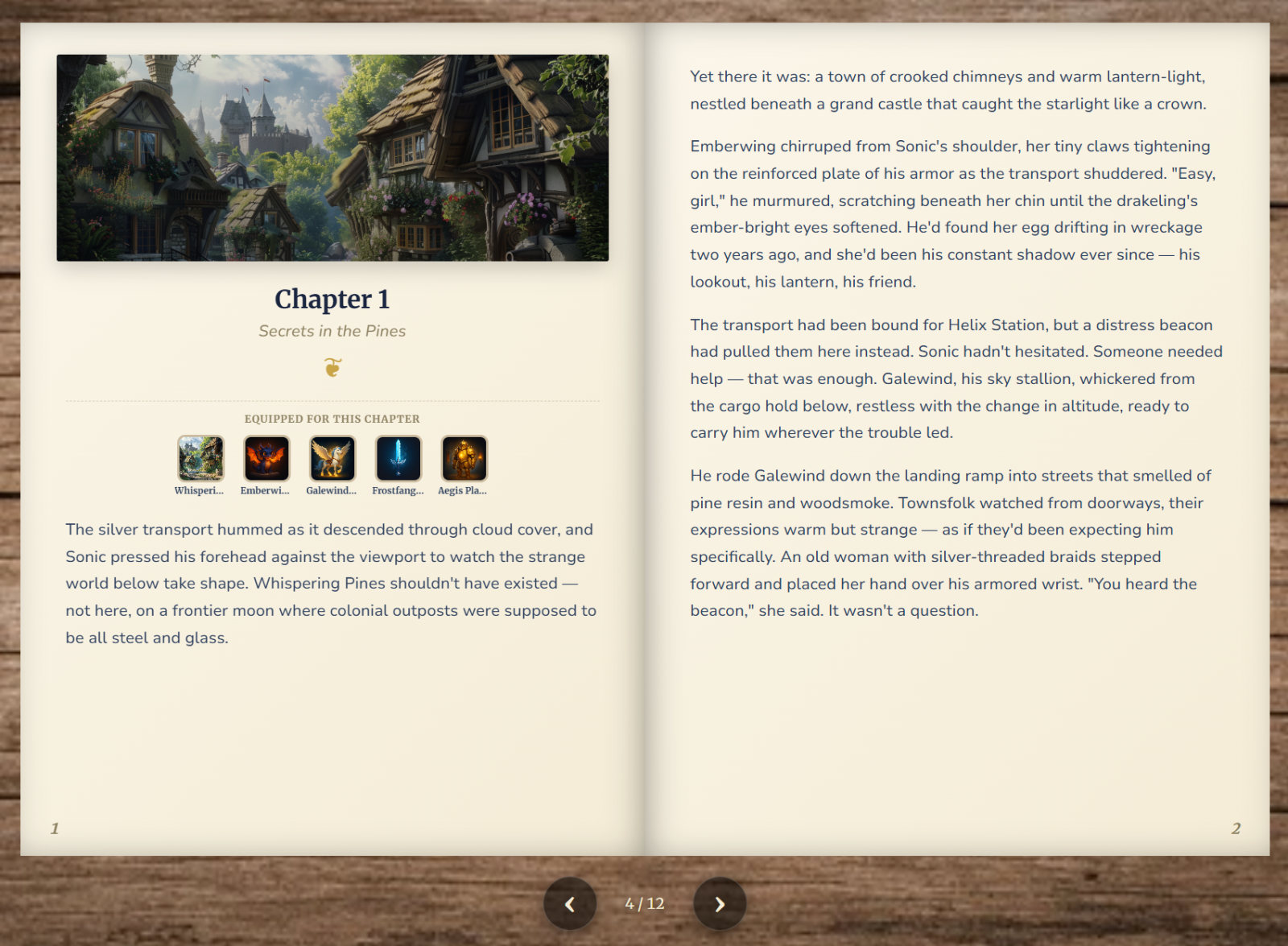
The biggest shift is ownership. On The Assessment Library's kids experience, children don't read a story someone else wrote about someone else — they read a story about themselves. Your child steps into a scenario and makes choices, and those choices quietly map to their DISC personality. Those results are then written into a personalized storybook, one chapter at a time, where the hero thinks and acts the way your child actually does.
It grows with them, too. Kids earn a story token for each assessment they finish and spend it to generate the next chapter. The world they've unlocked — a space station, a castle, a lava dungeon — becomes the setting. The sidekick or vehicle they've earned shows up in the plot with its own power. The story is never finished and never the same, so there is always a reason to come back and read what happens next.
Treasure hunts: a reason to read every single day
Consistency is where most reading habits die. A child reads eagerly for two days, then drifts. The kids' experience is built to counter exactly that.
On surprise treasure days, any child who finishes their reading uncovers a special treasure — and the rarer the prize, the more reading it takes to claim. Because kids never know which day is a treasure day, simply showing up becomes its own small adventure. Streak bonuses stack on top: finish a few days in a row and the rewards grow, with a bonus at three days and a bigger one at five. Sharp-eyed collectors can even equip a Golden Compass or Crystal Ball for a hint about when the next treasure day is coming.
And none of these rewards are ever bought with real money — they're earned only by reading. The prize for reading is more reading.
Why this actually builds comprehension
Engagement isn't a gimmick that distracts from learning — it's the mechanism of learning. Three things make this approach build genuine comprehension:
- Choices require understanding. To decide what the hero does next, a child has to actually follow what's happening. Reading becomes active, not passive.
- Personal investment deepens processing. We remember what matters to us. A story starring your child — their personality, their world, their companions — is far more memorable than a generic passage.
- Repetition happens naturally. Kids re-read their own chapters for fun, and each new chapter builds on the last, so they're constantly revisiting and connecting ideas.
Getting started
You don't need a reading program or a nightly battle at the kitchen table. Let your child build a character and read one chapter of a story that's genuinely theirs — then let the treasure hunts and streaks do the gentle work of bringing them back tomorrow.
See how the kids' experience works, or browse the assessment library to find a first story. The first assessment is free.